From
Tough vendor consolidation decision
To
12-factor decision framework.
The member walked in needing an answer; he walked out with a tool that would lead him to the right answer on this decision and the next one.
Execute CEO MasterMIND
Members open their entire P&L, get challenged by peers who’ll tell them when they’re wrong, and get asked to leave if they don’t do the work.
Most CEO peer groups produce conversations. Execute produces tools.
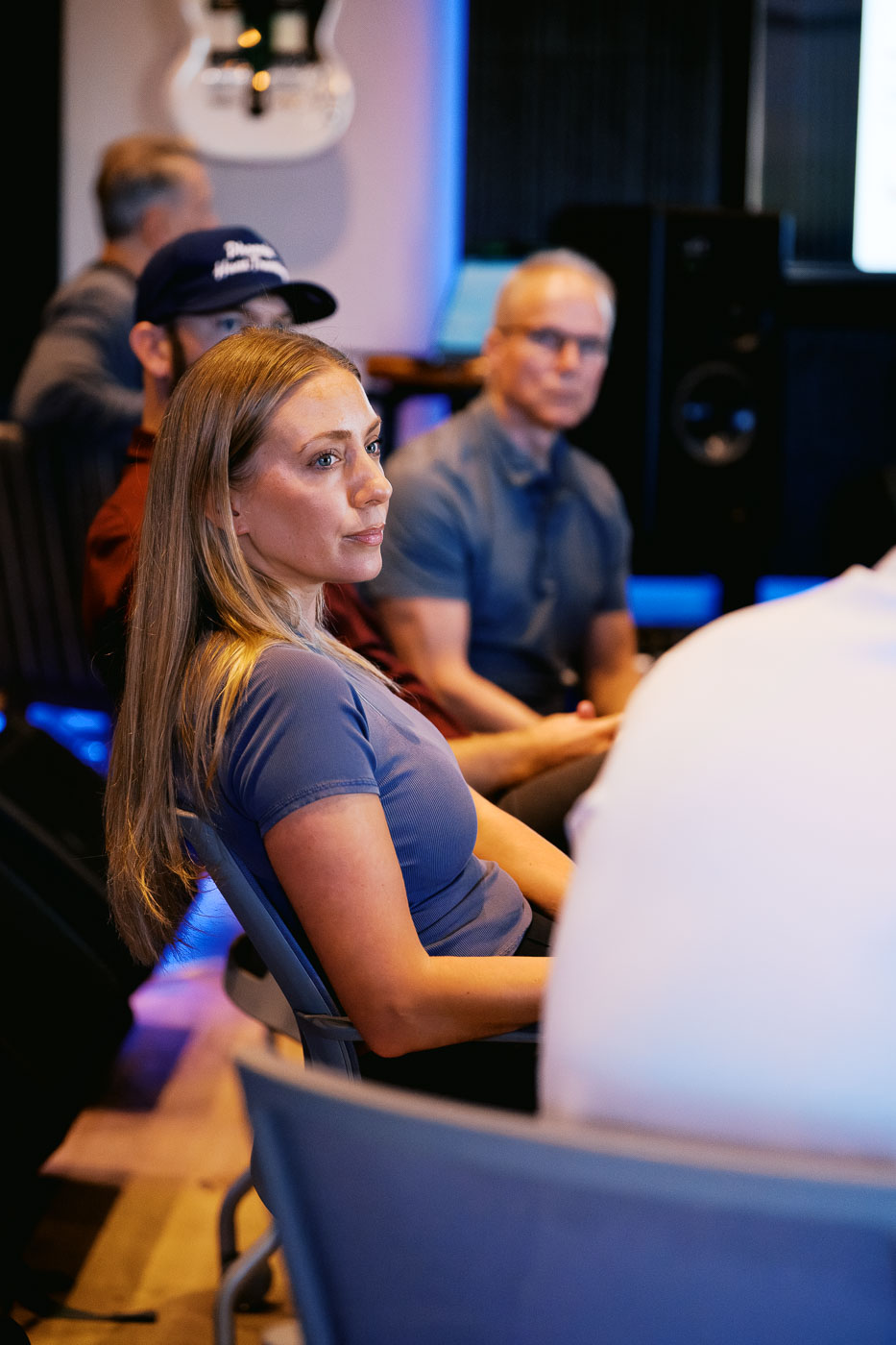
That’s not a positioning line — it’s what happens in the room. One Wednesday last month, a member walked in needing a vendor consolidation decision and walked out with a 12-factor decision framework his peers built with him during his deep dive. Twelve criteria, pressure-tested by eight operators including the man who scaled and exited an aerospace business well into nine figures. The member didn’t get the answer he came for. He got the architecture of an answer.
That’s what one session looks like. The room runs every month, twelve months a year, for eight CEOs at a time.
The Operator
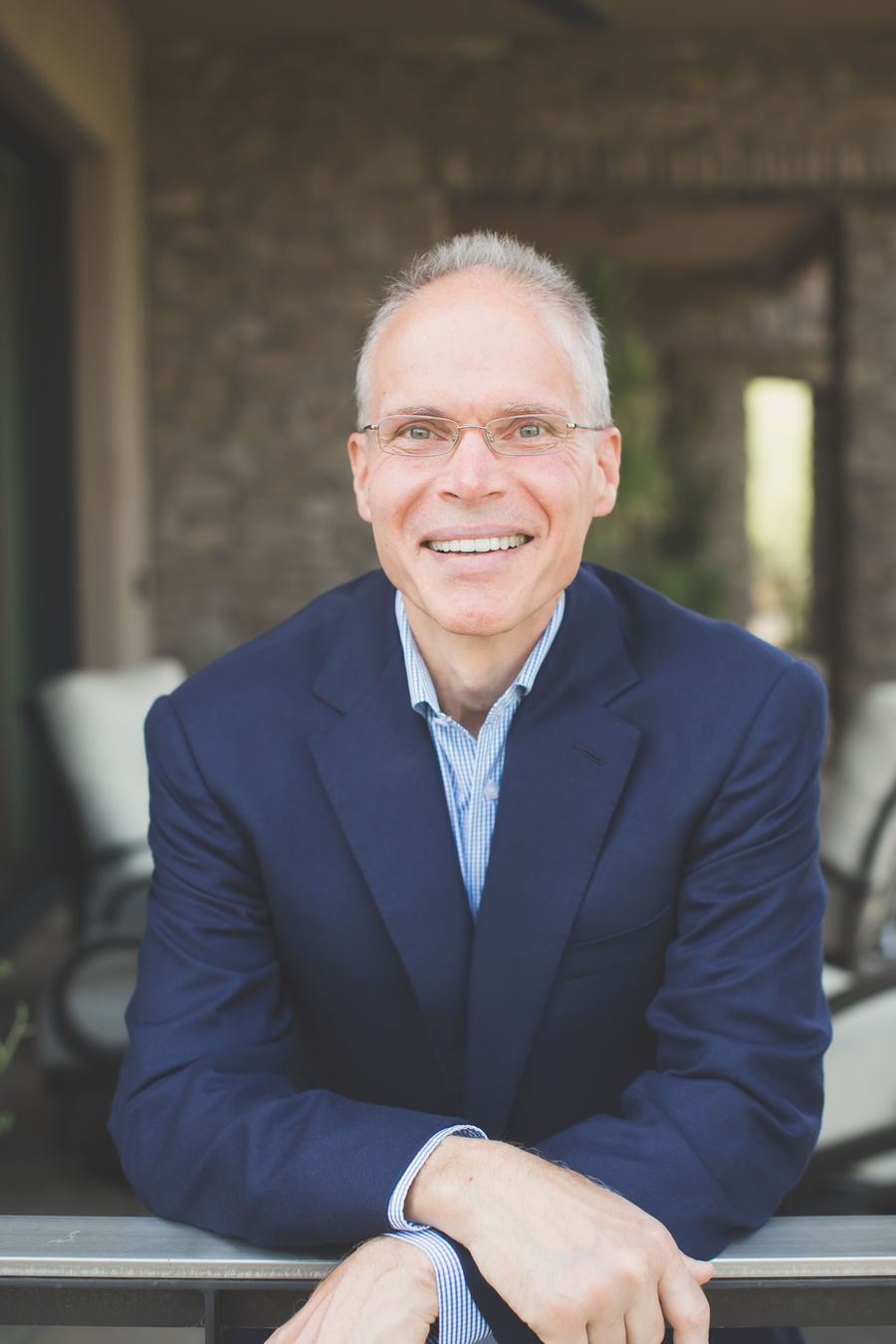
Lee Benson built Able Aerospace zero to more than $100 million in annual revenue and a mid-nine-figure exit, across a twenty-year operating tenure.
What he actually built was bigger than the company.
Able invented an entire category of aerospace repair. The industry premise at the time was that certain aircraft parts, once worn past spec, were scrap. Able rebuilt them — engineering new repair processes the industry had written off as impossible. The category Able created spawned more than 100 competitors behind it. Able stayed ahead of all of them.
He didn’t run the engineering from a distance. Despite not being a trained engineer, Lee was personally involved in designing repair concepts — and the unusual angles he brought to the technical problems became one of Able’s structural advantages. He sees the simple line through complex problems that other operators miss.
He also never rested on a number. Able’s average aircraft turn time was 28 days when Lee saw a path to 14. His competitors, meanwhile, couldn’t believe Able was completing in 30 days the repairs that took a major competitor three months.
When Lee facilitates Execute, that’s the operator who sits in the room — not a coach or a consultant. He doesn’t send a partner. He doesn’t run rooms in parallel. He’s there, every meeting, every group, every month. When a member is wrestling with a decision Lee has had to make himself, he shares the playbook from inside his own run and the room moves with it.
This is the only CEO peer room where members open their entire P&L, take honest feedback from operators who’ll tell them the truth, and walk out with operating tools built live during their session.
Inside the Room
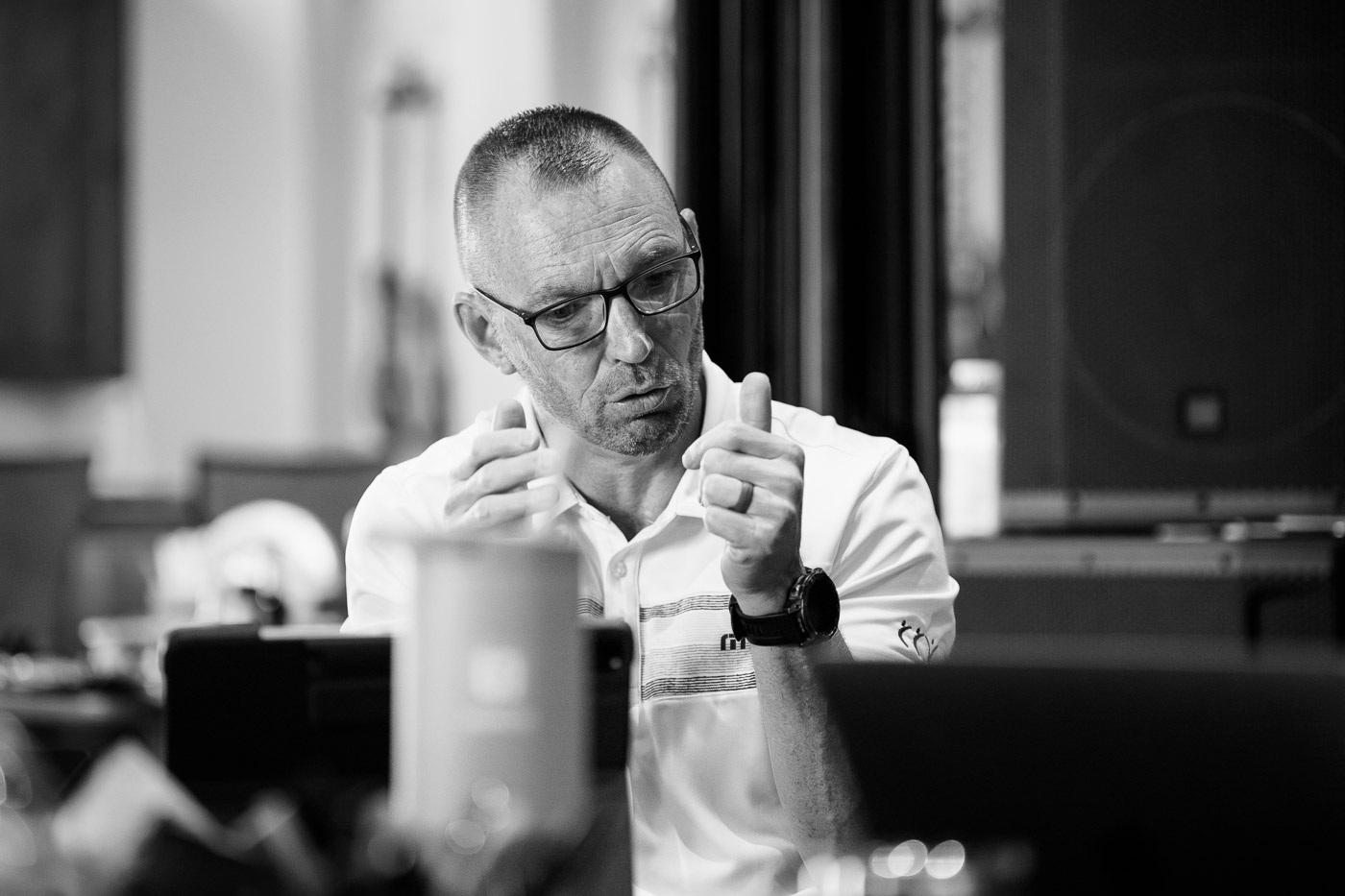
Every member submits a structured pre-meeting update through Align, ETW’s operating software, covering business, personal and family, biggest win, and the key issue they want help on. Lee reviews every member’s submission in detail before the room convenes — forty-five minutes ahead of session start, every time.
When a member is on deck for a deep dive, Lee walks them through the Value Creation Flow. Five core functions of the business — marketing, sales, product and service, delivery, ongoing customer experience — each rated honestly and color-coded. Then the four support functions stacked underneath each one: operations, HR, finance, IT. The full 5×4 grid surfaces the asymmetries between where value gets created and where the structure underneath is actually holding it up.
Then strategic initiatives. One to four major workstreams scored against four criteria: impact on the Most Important Number (the single annual metric the business is being measured against, what ETW calls the MIN), risk to the MIN if the initiative stalls, difficulty of execution, and investment required.
That’s the structure. Inside that structure, the room moves fluidly — building tools the operator didn’t walk in expecting, on questions no other advisor in their life would push as hard on, with the whole table contributing in real time.
Value Creation Flow
The path a customer travels — first contact to ongoing relationship. Each stage’s color shows whether it’s keeping pace. A weak early stage starves every stage after it.
Support functions — stacked under every stage
Marketing is the weak link. It sets the pace of the whole flow — the strongest Sales team can’t close customers Marketing never brought in. Fixing the first red stage moves the MIN faster than anything downstream.
Five recent-session moments
Five recent-session moments tell the story:
From
Tough vendor consolidation decision
To
The member walked in needing an answer; he walked out with a tool that would lead him to the right answer on this decision and the next one.
From
An unrealistic year-end target
To
A member with net profit up 47% YTD had set an aspirational year-end target he wasn't going to hit. The room held him to honest, not optics, and he walked out with a year-end number he could actually chase.
From
Nine years of being stuck
To
The room then pushed the operator on the harder discipline: stay out of those seats.
From
Untapped franchisee channel
To
From peers who'd run similar plays in adjacent industries.
From
New line of credit, inherited assumptions
To
Anchored on Lee's own operating playbook, customized to the member's specific business mode.
Across the broader Execute membership:
Member-reported examples, not guarantees. The pattern is what matters: members consistently connect the room to sharper decisions, stronger discipline, and meaningful enterprise value compounding.
The Floor
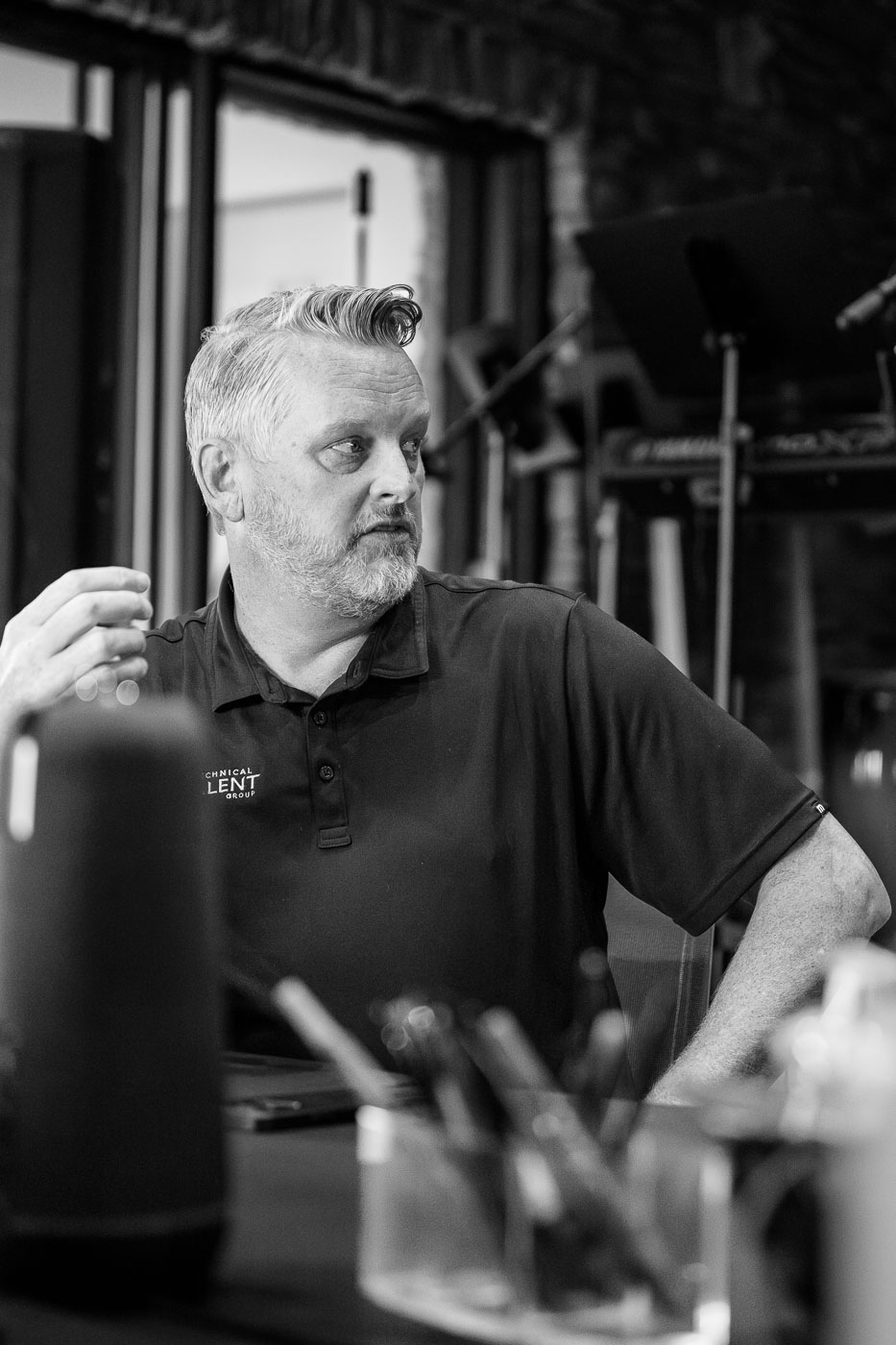
The room only works because members put real numbers on the screen — revenue, EBITDA, net profit, plan attainment, the lagging indicators an operator would rather not show. Across both Execute groups this month, every member did.
That level of transparency is rare. Three rules of the room make it possible.
“Other groups won’t kick you out if you don’t better yourself. ETW will. I used to belong to another Mastermind group, but I felt like I was the only one really trying to push myself and the others didn’t want to.”
01
Selling to other members inside the room is expressly prohibited. Side deals between members happen outside the meeting, never inside it. This removes one of the most common reasons operators withhold information from peers — that what they share will be used just to drum up business rather than driving value.
02
The format pushes members toward accurate ratings, not flattering ones. Lee and the group challenge ratings that look too clean. The goal isn't to look good. The goal is to know what's actually true.
03
Members who stop bringing real challenges or following through on commitments get asked to leave. It's happened.
FAQ
Who This Is For
If you’re this kind of CEO…
…Execute is built for you
Not for
8
per group
Selective
Each group capped at eight non-competing members. Lee facilitates every group personally.
Membership is selective. The fit-check is where Lee and ETW confirm whether you’re the right operator for the right group at the right stage. If you are, you’ll be told whether a seat is open and where the wait would land. If you’re not, Lee will tell you why, and help determine what the right next move is for your stage.
Have a question? Send it to us.
What Happens Next
A short conversation with Lee and ETW to confirm whether the room is the right seat, the right stage, and the right next twelve months.
